Install Flash

Roads from Utah Lead to the Heart of Colorado: I-70 and Hwy. 40 West


For more information:
Interstate 70
Highway 40
Gas Saving Tips 
 

Interstate 70

Total Number of Days/Nights: Three


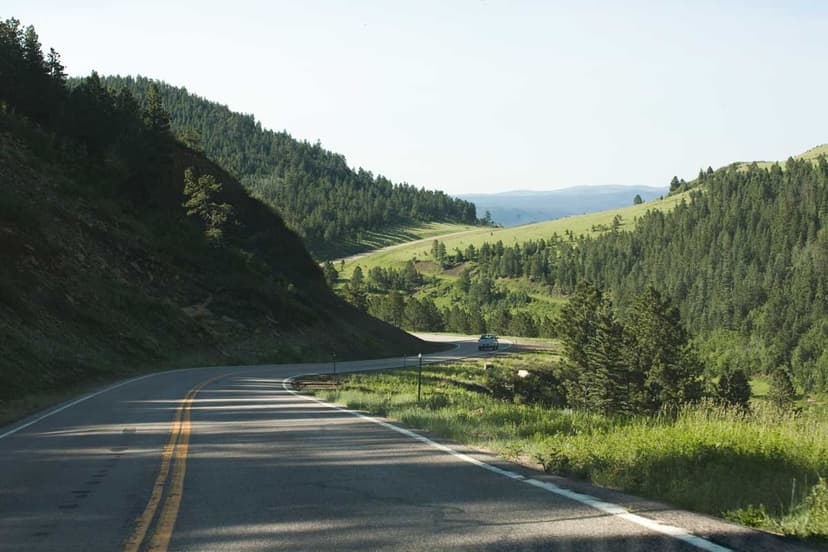
Itinerary Summary: I-70 bisects the state and leads from the border of Utah to Kansas. There are only a few other roads that take you from the dry desert and foothills of the west, through the heart of the Rocky Mountains and over the expanse of the Great Plains.

Three Day, One-Way Tour
From the Town of Fruita to Dillon
Miles: 212


Day One: McInnis Canyons National Conservation Area
No human structures of any kind, no motorized vehicles, and no roads into the interior—this is where pure, sublime nature thrives. The first feature to greet you when entering Colorado along Interstate 70 is the undeveloped expanse of the McInnis Canyons National Conservation Area on the south side of the freeway. This land has been set aside by the federal government for preservation and conservation. The unforgettable terrain of this area is reminiscent of Arches and Canyonlands.

Within this conservation area you’ll discover two prime places to set up camp—Rabbit Valley and the Black Ridge Canyons Wilderness. Rabbit Valley has three designated campsites with toilets and picnic tables. Black Canyon Wilderness offers 75,550 acres of camping, but no spots specifically set aside for setting up a tent. While not offering as many amenities as Rabbit Valley, the Black Canyon Wilderness area is renowned for having the second largest concentration of natural arches in the country.

Historic Rim Rock Drive in Colorado National Monument
A slight detour along Interstate 70, just east of the McInnis Canyons National Conservation Area, brings you to Colorado National Monument. The 23-mile Historic Rim Rock Drive leads you through the twists and turns of this classic desert tabletop landscape. Sheer rock walls display a menagerie of red and brown hues, and bighorn sheep can be seen grazing along cliff edges and precipices.

Picnicking and camping are offered in the monument and are easily accessed from the road.

Colorado Welcome Center at Fruita
The Colorado Welcome Center in Fruita is a perfect place to pick up your Colorado Official State Vacation Guide, if you haven’t requested one online yet. It’s a colorful and comprehensive take-along guide to get you through the state.

This Colorado Welcome Center also offers complimentary maps, coffee and the always-important feature on a road-trip—restrooms.

Day Two: Harvey Gap State Park
Near Rifle— 93 miles from the state line—lies Harvey Gap State Park. This park offers 190-acres of prime real estate for fishing. The day-use park is ideal for dropping in a line and hooking a meal-worthy rainbow trout. The reservoir is also stocked with crappie, perch, catfish, bass and pike. Look to the deeper, colder waters for rainbow trout and pike. Bass, crappie, perch and catfish can be found in the warmer waters and closer to shore. However, be sure to purchase a fishing license from the Colorado Division of Wildlife before casting your lure or fly.

Look to the south edge of the park and you’ll see The Grand Hogback. This ridge stands as a significant geographic marker—it officially indicates the western edge of the Rocky Mountains.

Glenwood Springs Photo courtesy Glenwood Springs
Continuing east along Interstate 70 brings you to the town of Glenwood Springs, situated at the mouth of the dark and beautiful Glenwood Canyon. At 5,746 feet, it stands just over one-mile high. You may have guessed by the name that this town—like many in Colorado—is home to hot springs. In fact, Glenwood Springs holds the coveted distinction of having the world’s largest improved hot springs pool—not bad for a town with less than 10,000 residents.

There are ample opportunities for staying comfortably in town. But keep in mind that if you’re traveling during Glenwood Springs’ popular Strawberry Days festival (held in the summer, check for dates), hotel rooms may need to be booked in advance.

Day Three: Ski Areas In Summit County During Any SeasonPhoto courtesy Vail Resorts
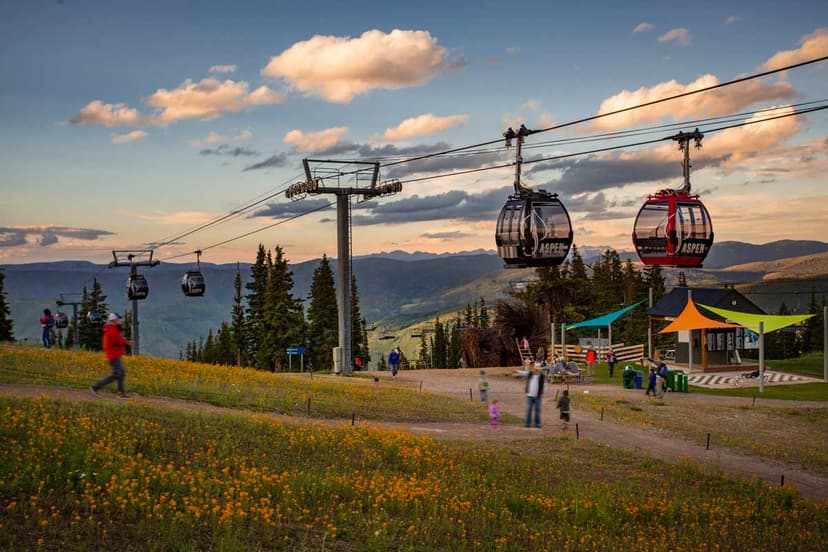
Winter, spring, summer or fall, Colorado’s ski resort towns offer grand vistas and miles of open space. If you’re coming into Colorado during the winter months, resorts like Beaver Creek and Vail (roughly 70 miles from Glenwood Springs after a scenic drive through Glenwood Canyon) as well as the clustered resorts of Breckenridge, Keystone, Silverthorn, Dillon and Frisco, offer some of the best skiing and snow sports in the world. Even if the powder has long-since melted and spring flowers or summer grasses are growing tall, the activities in the area are still enticing. Alpine runs that previously sported moguls and tree skiing now play host to rock climbing, forested walks, mountain biking and even Frisbee golf. And if, after a few hours on the road, fatigue has inevitably set in, don't—worry, the area’s spas and resorts will pamper away any soreness from your body.

Additional Information:


Top of page

Highway 40

Total Number of Days/Nights: Four


Itinerary Summary: Highway 40 is found in the northern half of Colorado and runs from the town of Dinosaur—near the Utah border—until it is incorporated into I-70 at the town of Empire, right in the middle of the Rockies. Along the route, desert landscapes transition into the dramatic peaks of the Rockies.

Four Day, One-Way Tour
From the Town of Dinosaur to Rocky Mountain National Park
Miles: 273


Day One: Colorado Welcome Center at Dinosaur
Just three miles from the Utah state line, the Welcome Center at Dinosaur offers restrooms and knowledgeable staff members. Ask them any Colorado question you can think of: they’re eager to help. You can also pick up a Colorado Official State Vacation Guide, which will provide you with a wealth of information on the state.


Dinosaur National Monument Photo courtesy of Dinosaur National Monument
A stone’s throw east of the town of Dinosaur sits the entrance to Dinosaur National Monument. Turning north along this road marks the beginning of your journey back in time. Home to a visitor center displaying more than 15,000 dinosaur bones protruding from an open cliff face, the park provides an enriching experience that no other national park can. Interpretive signs and ranger talks throughout the park highlight the history of the area, from before the time of the dinosaurs to the time of prehistoric man and beyond.

But there's more to do here than just look at dinosaur bones. The scene-stealing Green River courses through the park, and offers rafting, fishing and wildlife viewing, before eventually joining with the Yampa River within the park. Camping is also provided in the park.

Day Two: Yampa River State Park Photo courtesy of Yampa River State Park
In Yampa River State Park, you can hop in a canoe, kayak or raft, and put-in along the Yampa River or Elkhead Reservoir. This park—90 miles from the state line—offers lengthy sections of floatable river and acres of a water-sport ready reservoir. Surrounded by a variety of scenery, from rolling hills to bolder strewn sections of the river, this area is a water enthusiast’s dream. No matter what you do in the park, good weather is likely: sunny days and blue skies are common in the summer months.

The park offers overnight camping with 25 developed campsites around the Elkhead Reservoir and 50 campsites near the State Park Headquarters in Hayden. At the park’s headquarters you’ll find a visitors center, outdoor education facility, nature trails with observation decks and a group picnic area.

Day Three and Four: Rocky Mountain National Park Photo courtesy of Colorado National Monument
Rocky Mountain National Park greets you 54 miles after you make your way over the very top of the Rockies at the Continental Divide—across Rabbit Ears Pass (9,426 feet) and again at Muddy Creek Pass (8,772 feet). This national park, dedicated to the preservation of the Rocky Mountains themselves, encompasses more than 350 miles of trails, 60 peaks at more than 12,000 feet, and the highest continuously paved road in the United States—Trail Ridge Road (open from Memorial day to late autumn).

The uniqueness of the Rockies can, in part, be attributed to the carving force of glacial movement. Glaciers once dominated the landscape, rubbing up against mountains and carving out valleys, giving us the craggy and rugged look we see today.

Camping in the park is ample, although reservations are recommended, as the majesty of this area brings visitors from all over the world. Pitch your tent and experience the famed Rockies yourself by sleeping under the stars and among its pine forests and glacial streams. When the sun begins to rise over the peaks, cast a line in the water, climb a rock face, hike a backcountry trail or keep a keen eye out for wildlife that thrive in the high-mountain thickets and clearings.

Additional Information:

  • Colorado Welcome Center at Dinosaur
  • A Guide to Colorado’s National Monuments
  • Yampa River State Park
  • Rocky Mountain National Park
  • Order Your Free Official Map to Colorado

    Top of page

    Gas Saving Tips According to the Federal Trade Commission

    On the Road
  • Drive the speed limit. Your vehicle generally logs the best gas mileage at speeds under 60 miles per hour.
  • Avoid quick starts and stops. Gas mileage improves by up to five percent if you avoid jerky starts and stops.
  • Don’t sit idle. Turn off the engine when waiting.
  • Combine trips. A warm engine uses half as much fuel as several short trips taken from a cold start.
  • Remove excess weight. An extra 100 pounds, especially in your trunk, can reduce fuel economy by up to two percent.
  • Avoid driving with items on top of your car. Items on your roof rack can create wind resistance and reduce fuel economy.

    Help from Your Mechanic
  • Maintain a healthy engine. Regular engine maintenance can increase gas mileage by an average of four percent — depending on your car’s engine condition.
  • Properly inflate and align tires. Gas mileage can be improved by up to three percent.
  • Change your oil. Use the manufacturer's recommended weight.
  • Having clean air filters. Clean filters can increase gas mileage by ten percent.

    Top of page

    ]


The Official Site of Colorado Tourism
©2009 Colorado Tourism Office. All rights reserved.