Introduction
In the early 1800s, the Canyons & Plains region of Colorado became a magnet for people from all over the world. The opening of the Santa Fe Trail attracted people from far and wide to places like Bent's Fort and later Boggsville. Despite being set in the wilderness, these places had a cosmopolitan feel - people were enterprising, accommodating, and understanding of each other's cultures. A visit to these areas today offers a glimpse into how people of diverse backgrounds can live together peacefully and even thrive.
“The idea of cross-cultural cooperation, the idea of a lot of different cultures coming together and working together - it was a commercial venture where the Mexican, American and Native American cultures all came together peacefully in trade - I think there are some lessons to be learned there.” Rick Wallner, Colorado Experience, Bent’s Fort
The lure of the West
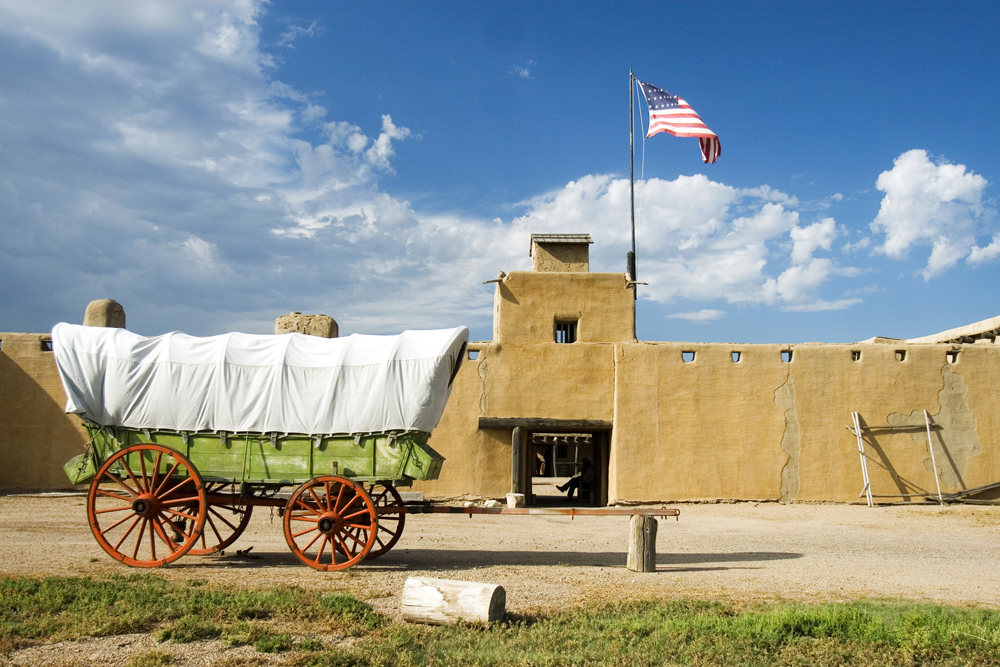
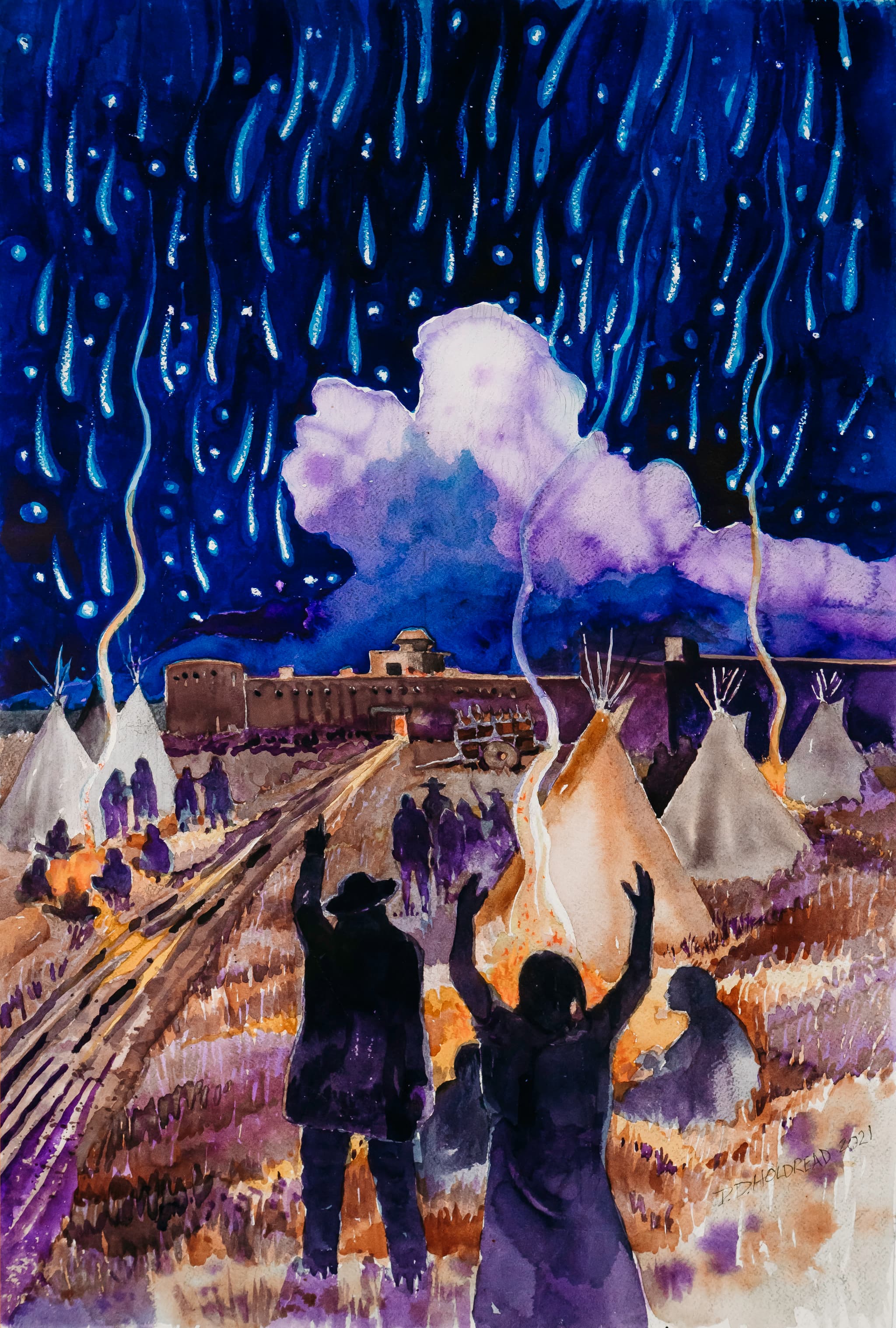
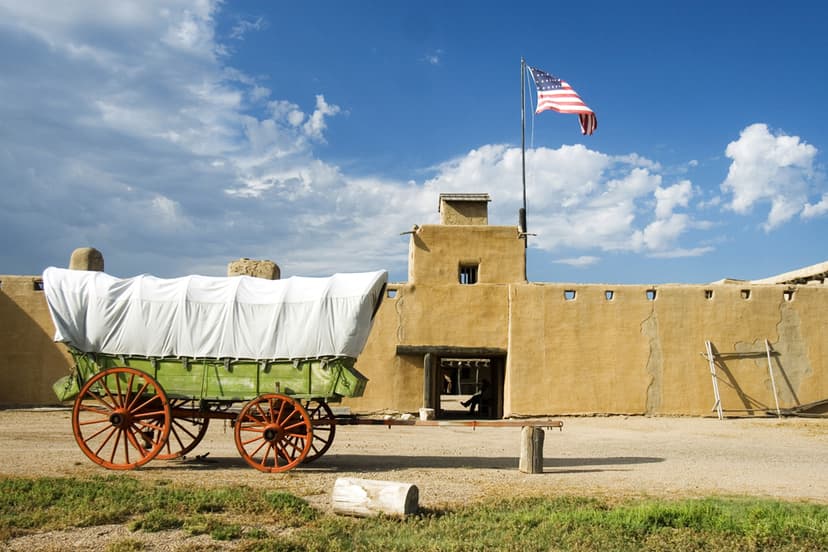
William and Charles Bent were mountain men who represented a new kind of opportunity and freedom. After hearing about the fur trapping in the mountains of Colorado, the lure of the frontier drew them West. Their arrival coincided with the opening up of the Santa Fe Trail in 1821 - a route that established global trade between America, Mexico, and the world. Seeing an opportunity, William and Charles Bent and Ceran St. Vrain built the original adobe fort in 1833 to trade with Plains Indians and trappers. Located along the northern bank of the Arkansas River, the fort quickly became the center of the expanding holdings of Bent, St. Vrain & Company.
People of Bent’s Fort
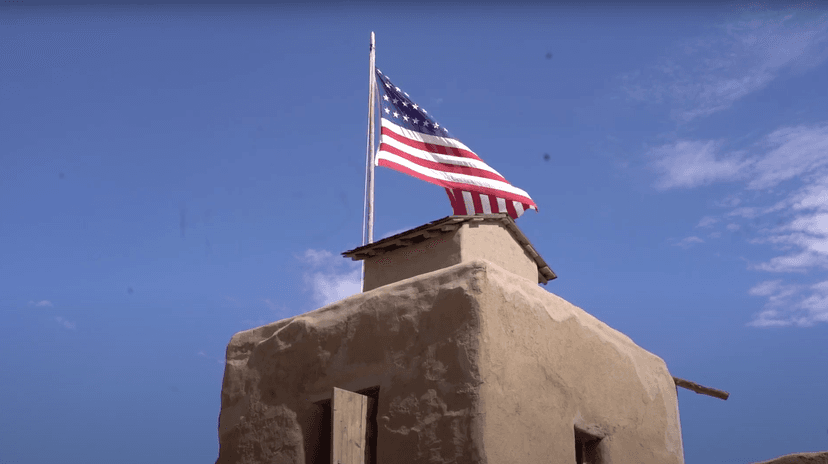
Made of mudbricks, with walls that were 15 feet high and four feet thick, Bent’s Fort symbolized opportunity and was a magnet for people traveling west. It was also an important stop on the Santa Fe Trail’s mountain route and a hub of commercial, social, military, and cultural exchange. The cast of characters that passed through its large wooden gates was a who’s who of the American West.
William Bent
From the very beginning, William Bent approached life at Bent’s Old Fort with an open mind. To do well in business, he developed close relationships with his customers - he spoke many languages fluently and respected cultural traditions. In addition, he married a Cheyenne woman named Mistanta (Owl Woman) - the daughter of Grey Thunder. These connections solidified trade relationships between Cheyenne, Arapaho, and his company.
William Bent
Credit: History Colorado
Mistanta (Owl Woman)
Mistanta was the Southern Cheyenne wife of the American trader William Bent. She is credited with helping maintain good relations between the white settlers and the Native Americans of the Colorado plains. She not only served as an interpreter but also taught her husband about Southern Cheyenne customs and mediated between white traders and soldiers and Native American groups.
Owl Woman (Mistanta)
Credit: Drawing by Lt. James Abert.
Kit Carson
The American frontiersman Kit Carson was employed as a hunter by the Bent brothers in 1841, and regularly visited the Fort.
Kit Carson
Credit: United States Library of Congress, Prints and Photographs division via Wikimedia
Susan Shelby Magoffin
Magoffin left a colorful account of her journey over the Santa Fe Trail in 1846, along with a short stay at Bent’s Fort during the early stages of the War with Mexico. She described the chaotic scene heard from her bedroom: “There is the greatest possible noise in the patio. The shoeing of horses, neighing, and braying of mules, the crying of children, the scolding and fighting of men, are all enough to turn my head.”
Susan Shelby Magoffin
Credit: Missouri History Museum Photographs and Prints Collections. N12846.
A place of exchange and peace
For much of its 16-year history, the Fort was the only permanent white settlement on the Santa Fe Trail between Missouri and Mexico. It provided explorers, adventurers, and the U.S. Army a place to repair their wagons, secure supplies, and find company, rest, and protection. It was a thriving place where people of many different cultures came together to trade goods and services. A visitor to Bent's Fort might hear people speaking English, Spanish, French, Cheyenne, or Arapaho on any given day. This moment in history showed ways to build new societies and cultures that were inclusive, not just to American Indians but to Hispanics and African Americans.
Peaceful but far from perfect
Despite its cosmopolitan and inclusive feel, Bent’s Fort was by no means a perfect place. The introduction of manufactured goods through trade upended the Native American culture on the Plains and changed their relationship with the bison—which became a currency to acquire goods. The meeting of these two cultures ultimately meant the diminishment of one at the expense of another.
Disaster, disease, and fire
While there was never an attack on Bent's Fort, it was not impervious to disaster. In 1846, during the Mexican War, the Fort became a staging area for Colonel Stephen Watts Kearny's "Army of the West." Then, in 1849, a cholera epidemic introduced by white settlers decimated the Plains tribes. These events led William Bent to abandon the Fort, move 38 miles down the Arkansas River, and set up Bent's New Fort—all in an attempt to restore his once-thriving trading business. Soon after it was abandoned, the original Bent's Fort burnt to the ground. While it is not certain, it is likely that Willian Bent burned down the fort. There are many theories on why this happened—from stopping rival traders or the U.S. Army from taking it over to stemming the spread of cholera.
Boggsville - heir to Bent’s Fort
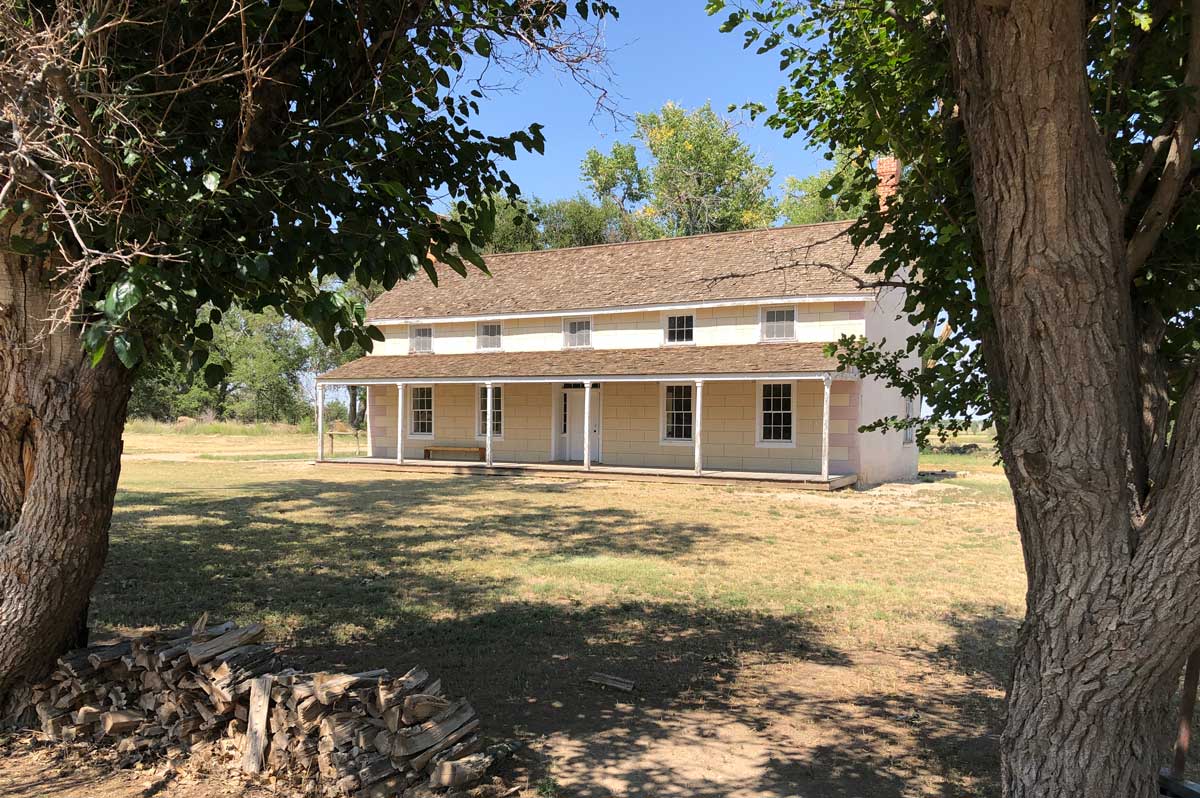
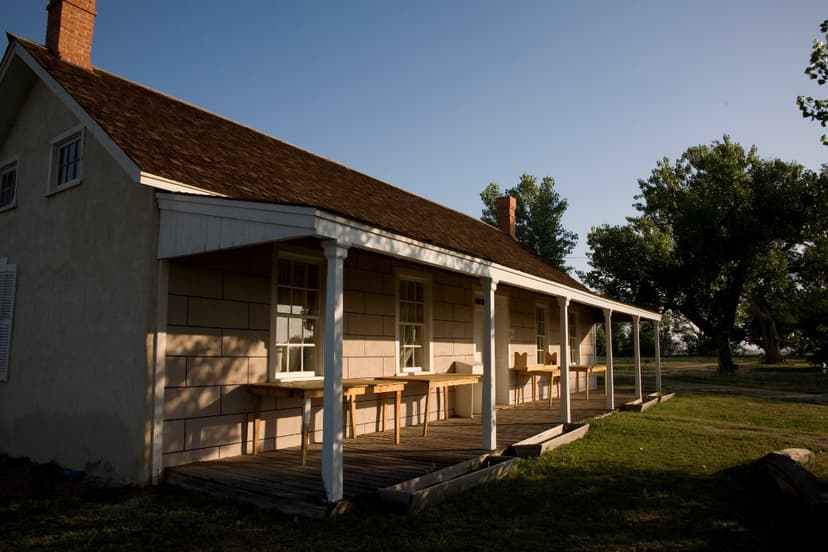
The lessons of Bent's Fort came back into focus years later, with the establishment of Boggsville in 1866. Built by relatives and former employees of the Bent brothers, it is considered the heir to Bent's Fort. The former settlement near the Purgatoire River saw a mix of Native American, Hispanic, and European immigrants—all living together.
First-generation settlement
Part of what makes Boggsville so important is that it represents a first-generation settlement and reflects the cultures that exist in Colorado today. Colorado in the 1860s was not always a place of inclusion but at Boggsville—the Boggs family, the Prowers family, and the Carson family made inclusion work for them. The buildings left behind represent the type of community they aspired to.
People of Boggsville
Like Bent’s Fort before it, Boggsville was an inclusive place. There is no greater example of this than the fact that most of the landowners were women. The property ownership of Rumalda Luna, Amache Prowers and Josefa Carson provided the land base for the fortunes that were made.
Rumalda Luna Boggs and Thomas Boggs
Boggsville is named for the people who founded it: Thomas Boggs and his wife, Rumalda Luna Boggs. Rumulda was actually the owner of the property on which Boggsville was built, having inherited the 2,040-acre land grant from her great-uncle Cornelio Vigil.
Amache Ochinee Prowers and John Prowers
In 1867, John and his wife Amache moved to Boggsville. Equal partners in life and business, the couple operated an extensive cattle operation, mercantile business, and hospitality service from their 24-room adobe home that still stands as one of two original buildings at the Boggsville Historic Site in Bent County. Amache Ochinee Prowers, of the Southern Cheyenne Tribe, is remembered as an innovative mediator between cultures who resided in Colorado’s southeastern plains.
Amache Ochinee Prowers
Credit: History Colorado, 10035859
John Wesley Prowers
Credit: Wikimedia
Josefa Carson and Kit Carson
Kit Carson, a good friend of Thomas Boggs, also moved to Boggsville in late 1867 and lived in the first house Boggs had built in 1862. His wife Josefa also owned land in the area and was the aunt of Rumalda Boggs.
Josefa Carson
Credit: Women of Taos
Kit Carson
Credit: United States Library of Congress, Prints and Photographs division via Wikimedia
Visiting Bent’s Fort and Boggsville today
Bent’s Old Fort and Boggsville hold many stories from Colorado’s past. Most importantly, they demonstrate how people of varying backgrounds can thrive both socially and economically. Visiting these historic sites today is a chance to imagine what it was like to live in these extraordinary times, and consider how they have influenced our values today.
To learn more about the guided tours, demonstrations and special events held at Bent’s Old Fort National Historic Site, click here.
To learn more about the tours and ongoing restoration efforts at Boggsville Historic Site, click here.
Bent’s Fort, Boggsville and the Santa Fe Trail
Bent’s Fort and Boggsville are examples of how the Santa Fe Trail influenced and continues to influence life in Colorado today. Read Story 4 in our series for more information on how the Santa Fe Trail changed the face of America and beyond.