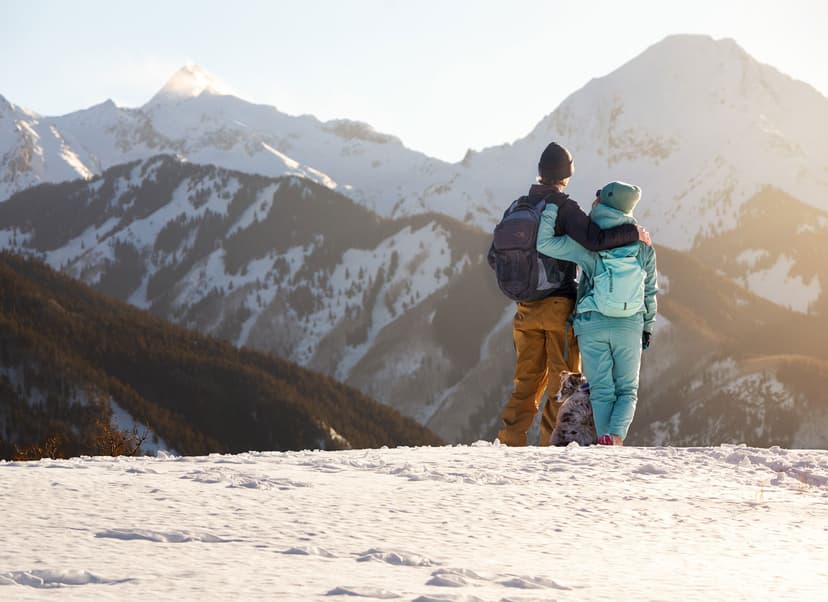
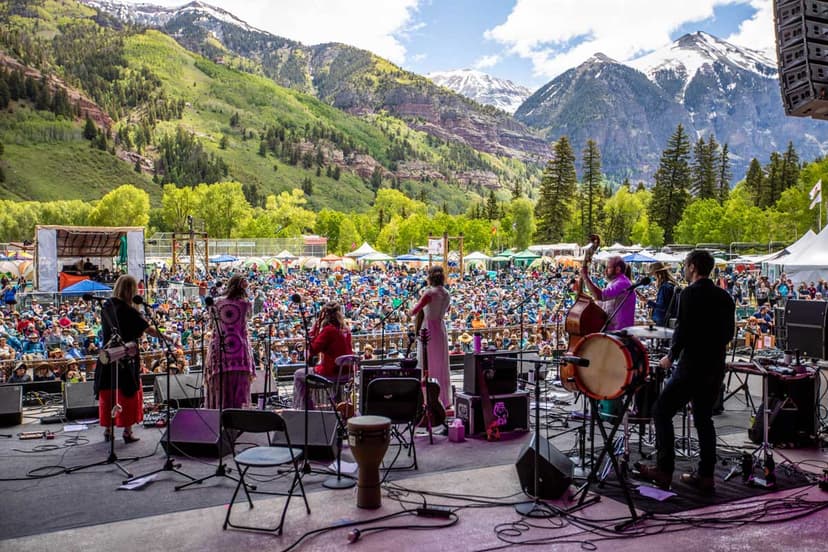
Whether you're chasing downhill runs, hopping between mountain-town cafes or soaking in a steaming hot spring, the key to staying comfortable is packing smart and layering. This guide will help you know exactly what to bring, so you’re ready to make the most of every adventure on your Colorado getaway.
What to Pack for Winter in Colorado
Colorado winters are beautiful and make for the perfect backdrop to an unforgettable adventure — especially when you come prepared with the right cold-weather items.
Updated: December 12, 2025
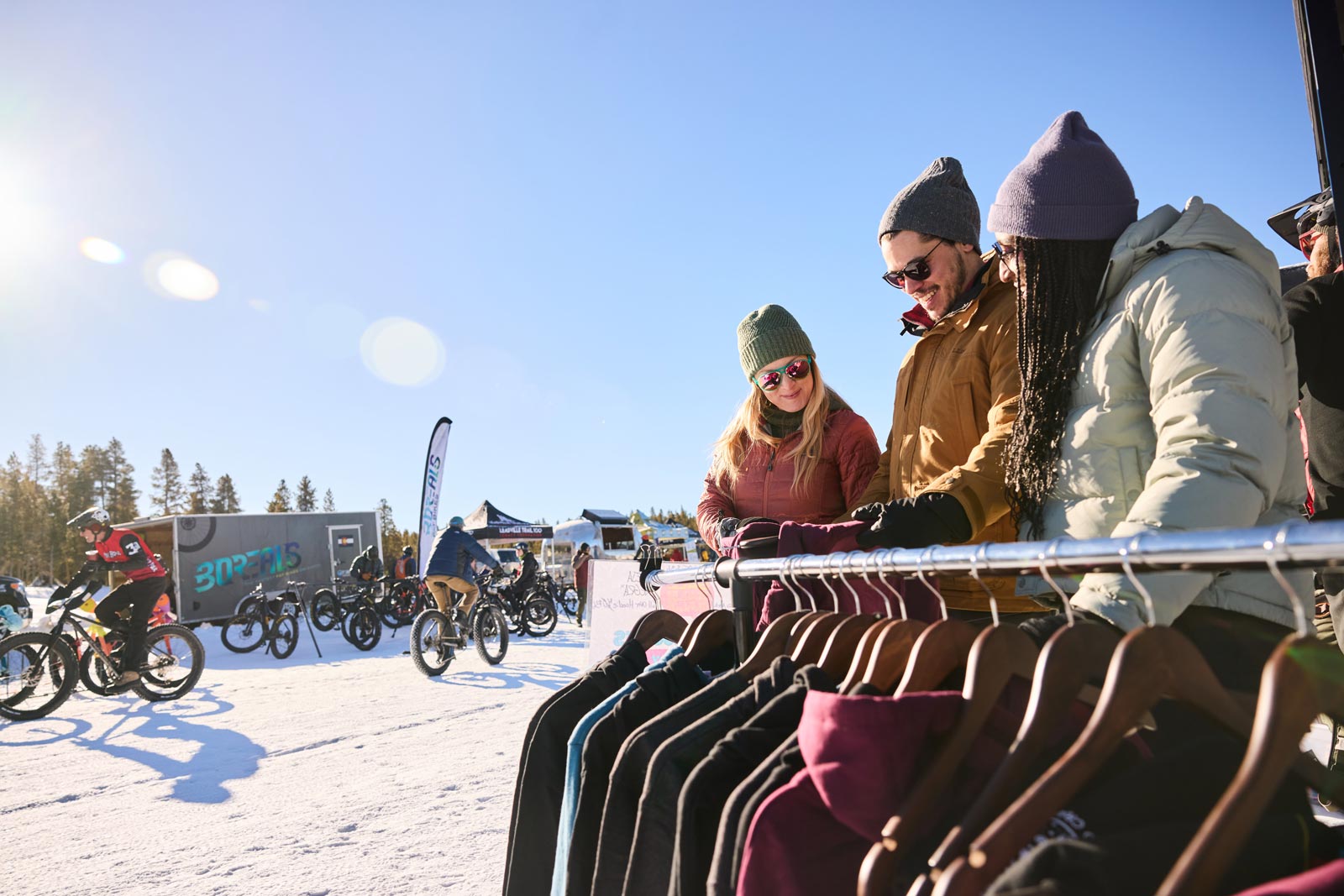
Fat Bike Worlds in Leadville
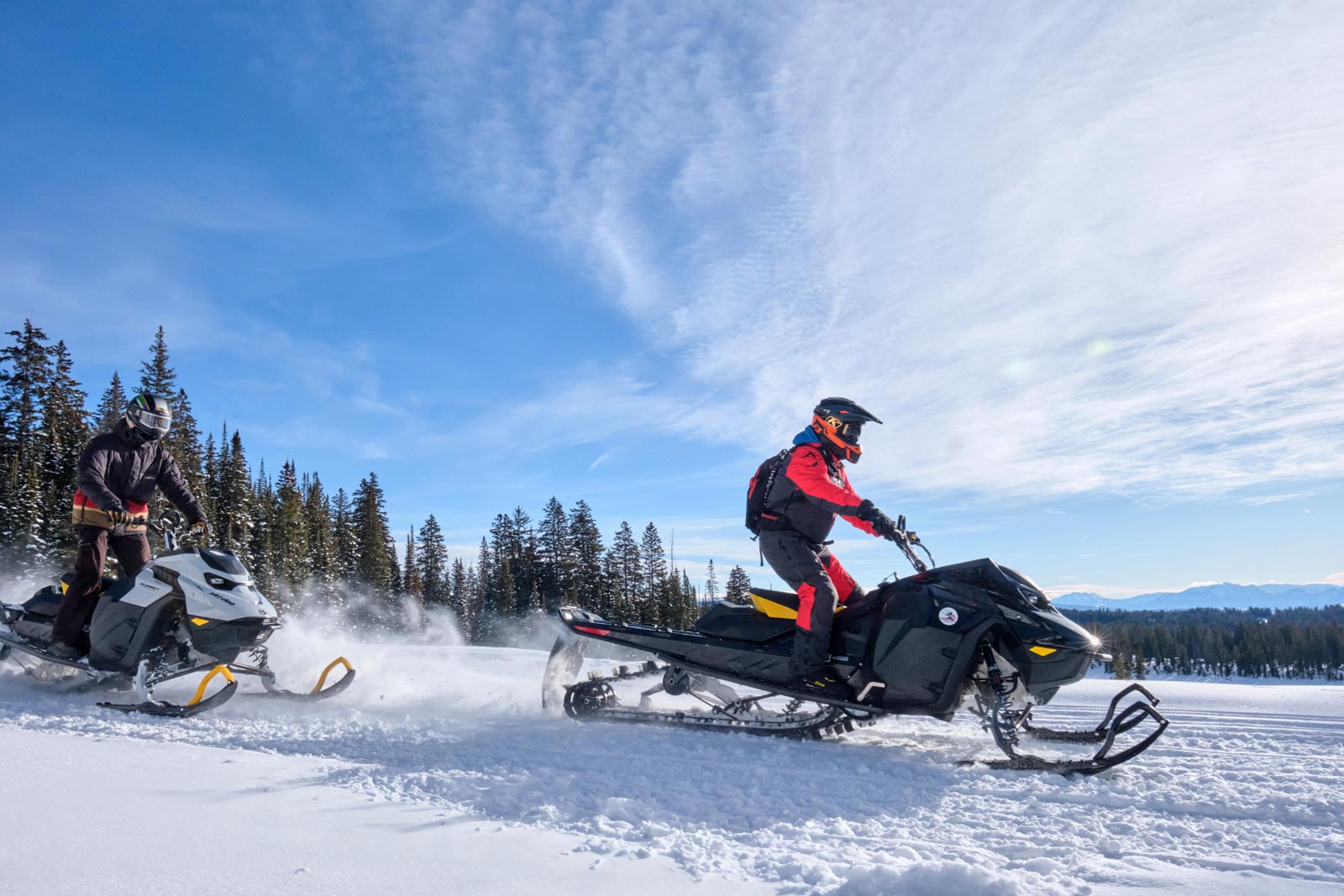
Grand Mesa Lodge
1. On the Slopes
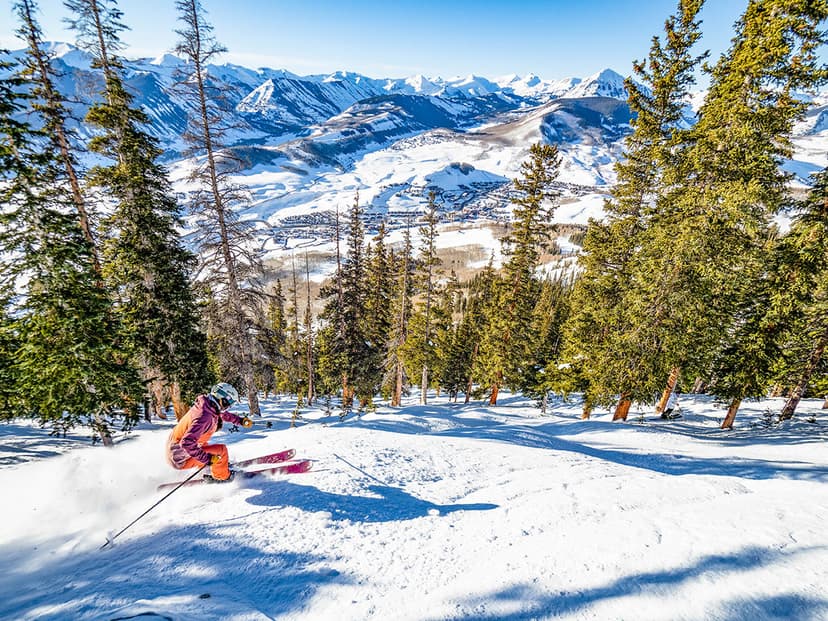
Skiing, snowboarding and tubing in Colorado mean navigating everything from chilly lift rides to sun-soaked groomers in a single day. With 28 ski areas across the state and elevations that can reach above 12,000 feet, conditions can change fast.
- Base Layers: Skip cotton, which holds sweat and chills fast. Instead, opt for moisture-wicking thermals that will keep you warm and dry.
- Mid Layers: Fleeces or lightweight insulated jackets add warmth without bulk, letting you move easily on the slopes and layer up or down as needed.
- Outer Layers: A waterproof ski jacket and pants protect against snow, wind and cold chairlift seats.
- Accessories: A helmet, goggles, neck buff, insulated gloves or mittens, and ski socks are all must-haves for comfort. Extra water is always essential, and carrying a backpack is the easiest way to keep track of all these items, as well as extra layers.
- Footwear: Waterproof boots keep your feet dry and steady as you make your way between lodges and lifts.
- Splurge: Always cold? Hand and foot warmers can be game changers. Or, opt for snow gloves with heaters built-in.
Pro tip: Many rental shops carry demo fleets so you can test out high-performance skis or boards during your vacation.
Uncompahgre River Walk in Ouray
3. On the Trails & In the Backcountry
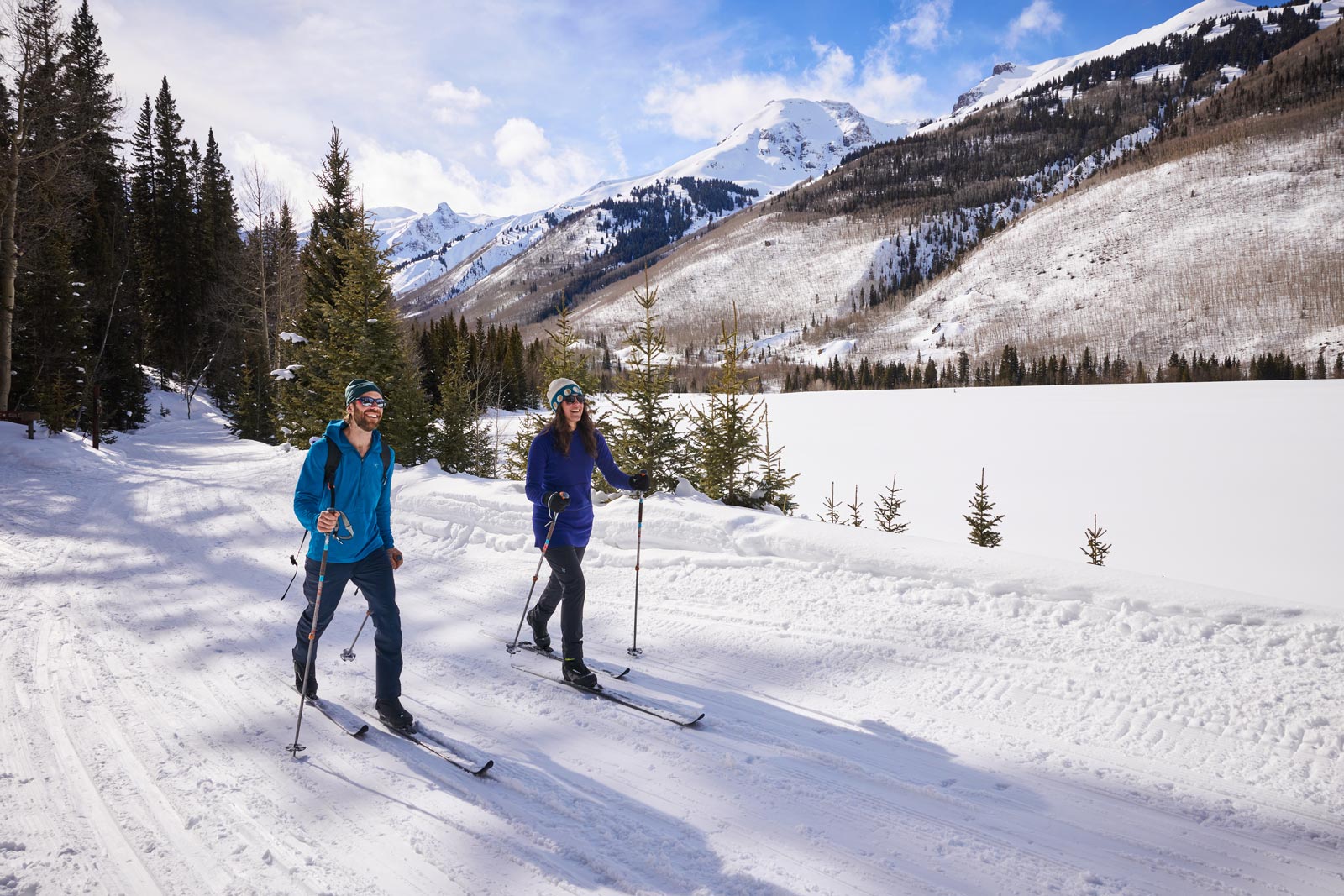
Colorado’s snow-covered trails offer a quieter kind of winter magic, where powder-dusted pines, hidden animal tracks and frozen alpine lakes reveal the season’s subtle wonders. Nordic centers are commonly found in mountain towns and offer groomed paths, but thousands of miles of quiet backcountry trails are free to explore on public lands. Bring these items along to ensure your journey is peaceful and comfortable.
- Shell & Moisture-Wicking Base Layers: Use a layering strategy similar to skiing and snowboarding, but with a lighter outer shell because you’ll be moving a bit more.
- Waterproof Hiking Boots: Pair your boots with gaiters or snowshoe bindings to act as a barrier against snow and keep your feet warm and dry.
- Trekking Poles With Snow Baskets: These help with balance and conserve energy on uneven ground, giving you more stability on long or steep trails.
- Microspikes or Crampons: Pop these on your boots to add traction on packed trails and icy patches, especially early or late in the season. Better grip reduces slips and keeps your stride confident.
- Sunglasses: Glare can be intense on bright days, even when the temps are chilly, and polarized glasses protect your eyes so you can take in the views without strain.
Pro tip: Wear a comfortable daypack to carry your 10 backcountry essentials if you’re heading out on public lands, including an avalanche transceiver, snow shovel and probe if you’re crossing into avalanche terrain. Learn more about winter backcountry safety.
4. Around Town
Colorado towns stay lively through the winter with après-ski scenes and cultural experiences, whether you're sipping craft beer in Durango, browsing shops in Breckenridge or wandering through Denver’s mural-lined neighborhoods. Dress is usually relaxed and practical — warmth and traction elements fit right in with Colorado’s mountain-casual attire.
- Casual But Warm Outfits: Jeans or leggings, sweaters, and a well-insulated coat or puffer jacket will take you almost anywhere.
- Accessories: A beanie, scarf and gloves are daily essentials that make wandering town streets or enjoying your après-ski a cozier experience.
- Footwear: Waterproof boots or insulated casual shoes with solid grip will serve you better than anything with slick soles, so you can explore comfortably and avoid slipping.
Pro tip: Coloradans typically lean toward more casual, sporty dress year-round — jeans and sweaters are acceptable in most restaurants.
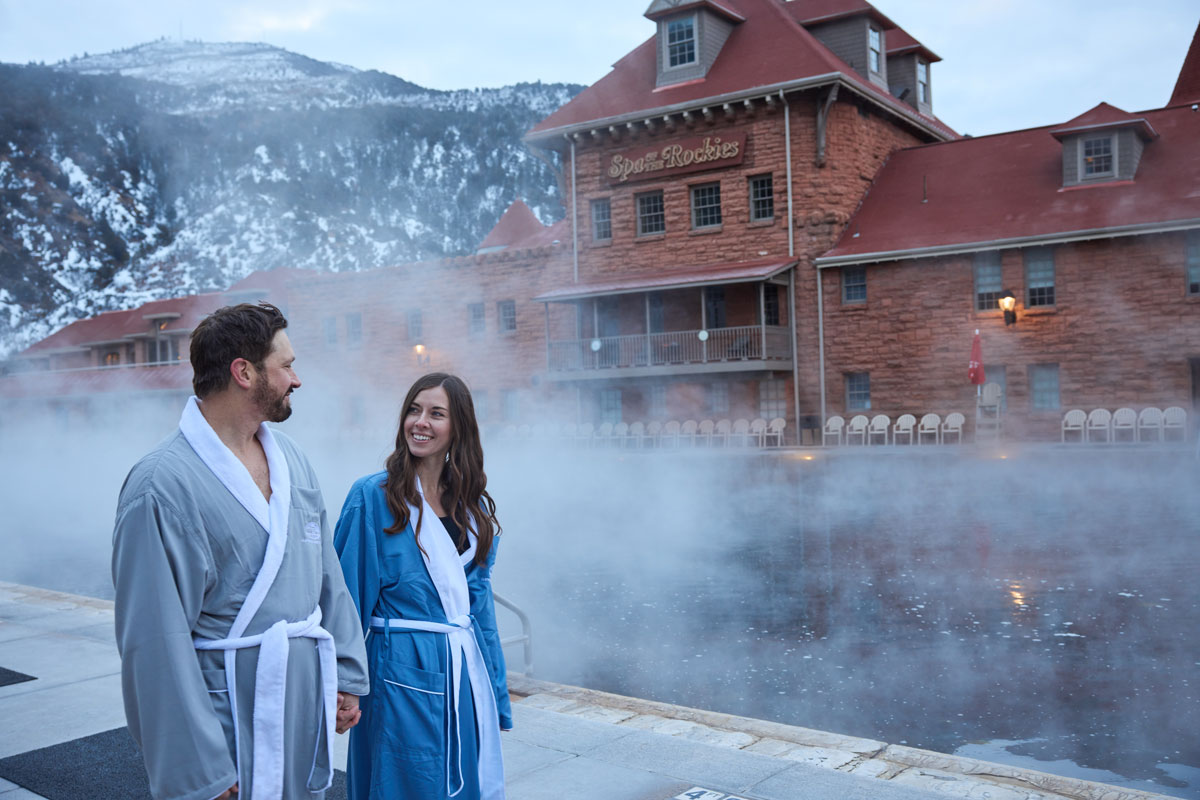
Glenwood Hot Springs Resort in Glenwood Springs
5. Spa Days, Hot Springs & Heated Pools
With more than 30 developed hot springs statewide — from spa-style retreats to hidden riverside pools amid the mountains — soaking is a quintessential Colorado winter activity. There’s nothing quite like sinking into 103-degree water with snow falling around you.
- Swimsuit: Some mineral-rich pools have a slight sulphur smell, so bring a suit you don’t mind reserving just for hot-spring days. A few Colorado hot springs are clothing-optional, so check ahead if you’re planning a family-friendly excursion!
- Flip-Flops or Slides: Flip-flops are easy to slip on between pools and essential for safety on walkways.
- Warm Robe or Quick-Dry Towel: A cozy robe is especially helpful at outdoor springs, wrapping you in warmth the moment you step out of the water.
- Beanie: Pop on a cap to keep your head warm while the rest of you soaks.
- Dry Bag: While not necessary to bring along, a small dry bag makes stashing wet gear afterward a lot easier, keeping the rest of your belongings dry and organized.
Pro tip: Some hot springs require reservations, so check their website before heading out to see what’s required. Consider visiting on a weekday for a more peaceful experience.
Want More?
Sponsored