Celebrate & Honor America 250 - Colorado 150 Across the Centennial State

Colorado earned its nickname — the Centennial State — when it became the 38th state in 1876, exactly 100 years after the signing of the Declaration of Independence. Now, 150 years later, it’s the perfect time to reflect on that legacy by exploring the places that helped build Colorado’s identity. Celebrate Colorado’s 150th Anniversary 

By: Colorado.com Staff Writer
Updated: December 16, 2025

This milestone anniversary is your chance to explore the epic stories, landscapes and cultures that shaped the region. From dinosaur fossil beds and Indigenous cultural sites to mining boomtowns, steel mills and key civil rights landmarks, these places help tell the story of how the state came to be. And according to Colorado’s 2024/2025 official state historian, Dr. William Wei, visiting them can leave a lasting impact on you. “Traveling to historical sites allows you to connect deeply and meaningfully with the past. Various factors strengthen this bond, including physical presence, sensory experiences, cultural immersion and emotional resonance.”

Dinosaurs & Fossils

For millions of years, this land was formed by volcanoes, submerged beneath oceans and roamed by dinosaurs. Today, fossil sites across the state offer rare windows into ancient worlds. “Colorado experienced a 19th-century ‘Dinosaur Rush,’ during which significant discoveries of dinosaur fossils, such as the Apatosaurus and Stegosaurus in the Morrison Formation, were made,” Wei said. 


At Florissant Fossil Beds National Monument, you’ll walk among massive stumps — some more than 10 feet wide — preserved in a quiet valley west of Pikes Peak. Beneath your feet, layers of volcanic ash contain thousands of fossilized leaves, fish and insects, so finely detailed they still show veins and wing patterns. “In my mind’s eye, I still have images of the Florissant Fossil Beds’ petrified redwood tree stumps,” Wei said. “There is nothing more enjoyable than being outdoors in colorful Colorado, exploring its ancient life forms and environments.”


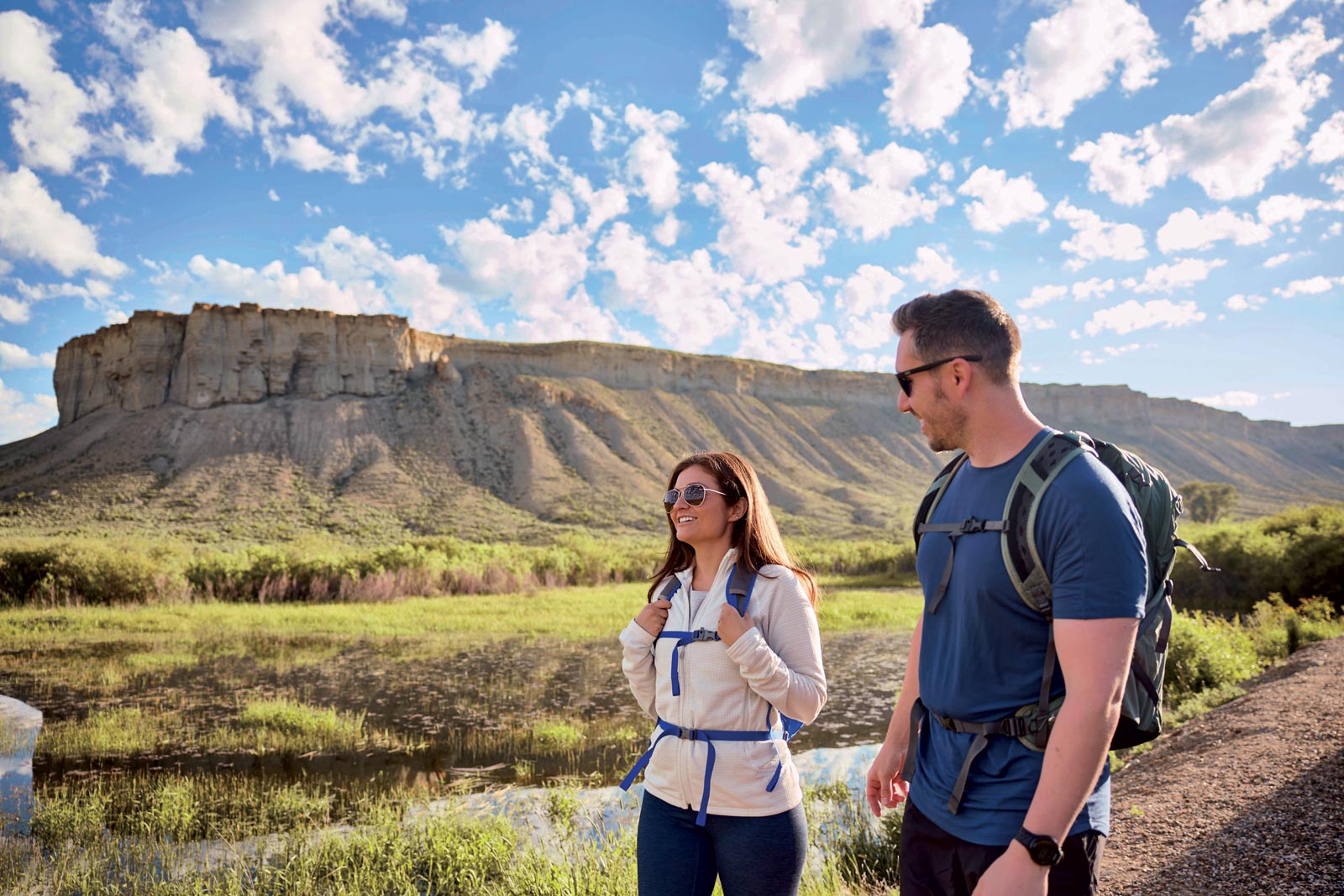
Head northwest to Fossil Ridge near Kremmling, where limestone cliffs reveal something unexpected. “Marine fossils in Colorado indicate that parts of the state were once underwater, suggesting that there were shifting sea levels and climatic changes,” Wei said. Along this short hike, you’ll find the largest concentration of ammonites in the world — shellfish, coral and other early marine creatures — all preserved in stone.


Just outside Denver, Dinosaur Ridge invites you to follow a trail of discovery to the very rock that sparked North America’s fossil fever. This rugged hillside was where the Stegosaurus was first unearthed. “Governor Richard Lamm designated it the state fossil in 1982, in no small part due to a two-year lobbying campaign by a class of Thornton fourth-graders,” Wei explained. As you explore the area, keep an eye out for three-toed dinosaur footprints, sandstone slabs embedded with fossilized bones and ripples left by prehistoric streams.
Indigenous & Ancient Cultures

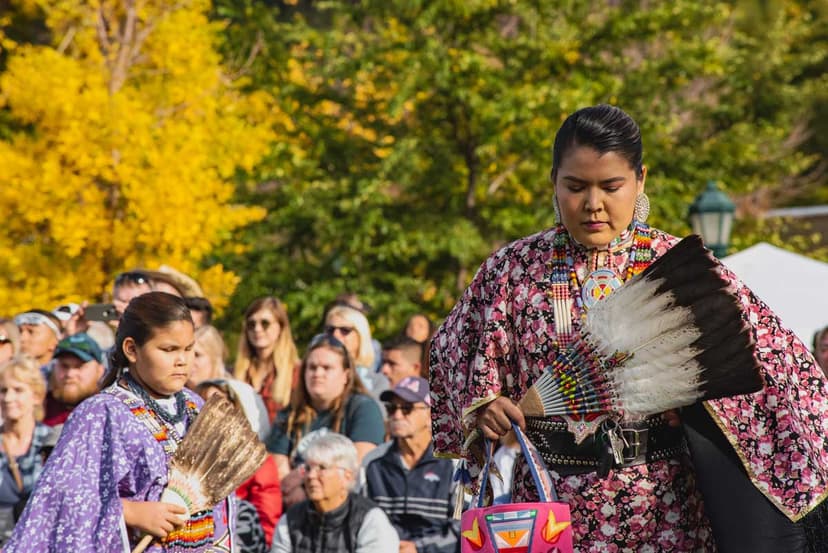
Long before Colorado became a state, it was home to dozens of Indigenous nations with deep connections to the land. From the Ute to the Cheyenne and Arapaho peoples, these communities shaped the region for generations — and continue to do so today. “After arriving here in 1980, I heard various well-educated people refer to frontier Colorado as a vast, empty space,” Wei said. “It reflected the master narrative of the country’s westward expansion and the invisibility of the Indigenous people who lived there.” Today, travelers can connect with that history through cultural sites that recognize Indigenous knowledge and presence across the state.

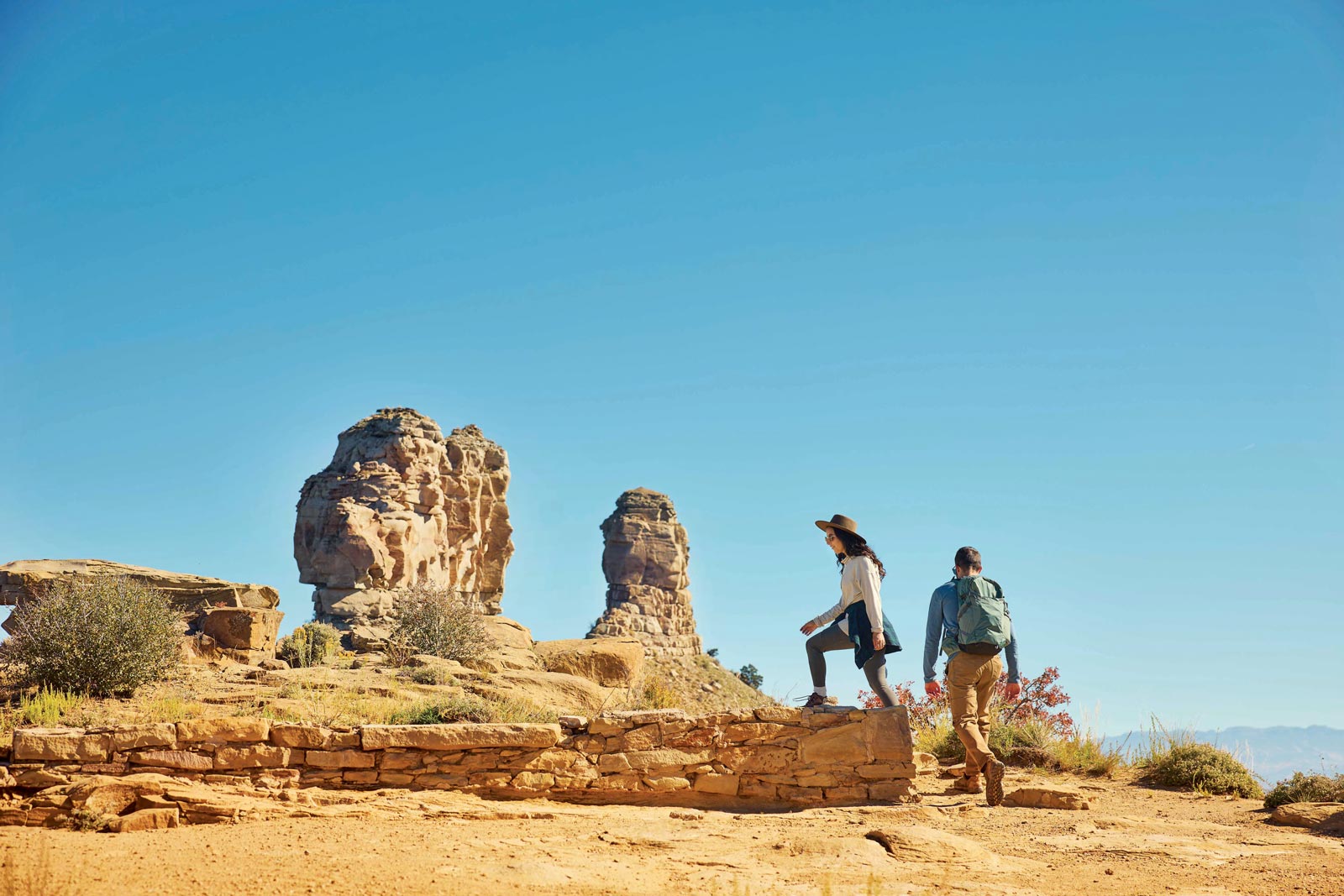
At Chimney Rock National Monument near Pagosa Springs, you can walk among the remnants of a high-altitude settlement built by Ancestral Puebloans more than 1,000 years ago. Twin rock spires rise above the valley, aligning with a rare lunar cycle that guided agriculture and ceremony. Trails wind through ancient dwellings and up to stunning overlooks — a reminder of how deeply these communities understood the land and the sky.

Hovenweep National Monument near Cortez offers a quiet but powerful experience. Here, stone towers and dwellings built more than 700 years ago still stand along the canyon rim. Many are believed to align with solar events and cardinal directions. These places indicate that Indigenous people weren’t just surviving here, they were building sophisticated, innovative societies.


On the plains east of Pueblo, Sand Creek Massacre National Historic Site confronts one of Colorado’s darkest chapters. On Nov. 29, 1864, U.S. troops attacked a peaceful Cheyenne and Arapaho village, killing more than 230 people — mostly women, children and elders. “For the descendants, the massacre is not simply history, but family history,” Wei said. Interpretive trails guide you through the site and its stories, encouraging reflection on settler colonialism and the need for healing.
 

Wild West & Frontier Life

The discovery of gold in Colorado in 1858 didn’t just bring prospectors to the state — it changed everything. Tens of thousands of people traveled west during the Colorado gold rush, helping build the towns, industries and transportation networks that would push the region toward statehood in 1876. The gold rush helped cement the story of the West: a place where fortune felt within reach and opportunity drove the region’s rapid transformation. But most miners didn’t get rich. Instead, they laid the foundation for future industries — and many stayed to build a life.

At the Hidee Gold Mine in Central City, you can step inside that chapter of Colorado’s growth. Guided tours take you through narrow underground tunnels, where you’ll learn how miners extracted ore and panned for gold — and you can even try your hand at it. “Mining created a need for services and supplies that fostered trade networks,” Wei explained. That demand helped shape entire towns, laying the groundwork for many of the communities still thriving in Colorado today.

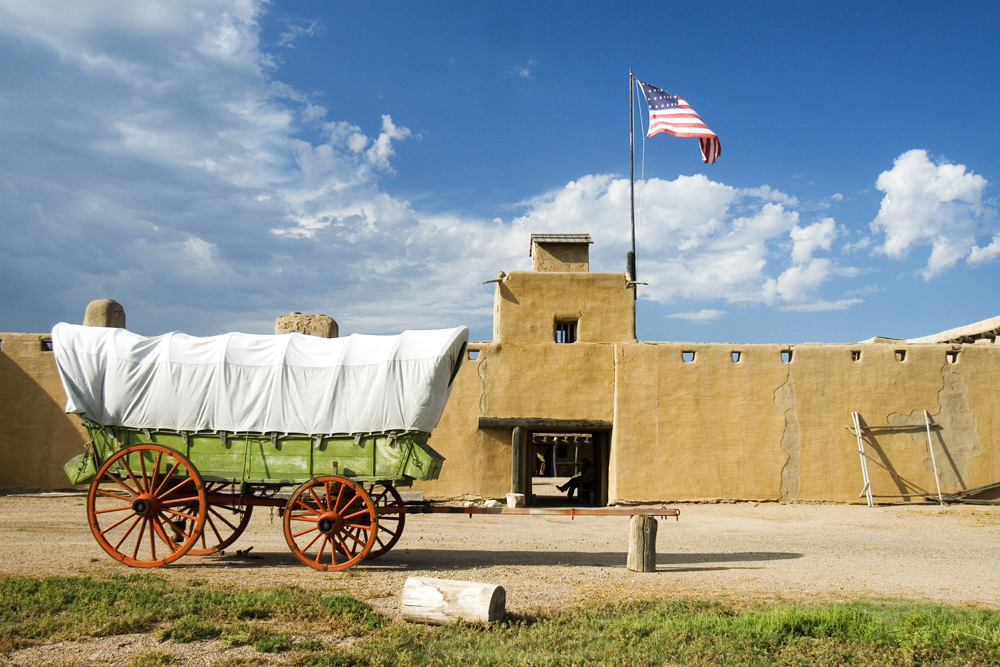
Travel southeast to Bent’s Old Fort National Historic Site in La Junta to experience a different kind of frontier. This reconstructed adobe trading post from the 1830s once served as a hub for commerce between Plains tribes, Mexican traders and American settlers. Today, costumed interpreters bring the site to life with blacksmithing, bartering and frontier cooking demonstrations.

High above Telluride, Alta ghost town is a striking reminder of how quickly fortunes could rise and fall. Once a bustling mining settlement, it was abandoned when the silver ran out. Now, remaining wooden cabins and mining structures stand against a backdrop of high-alpine peaks. “Boomtowns often quickly turned into ghost towns when resources dwindled,” Wei said. Ghost towns like Alta offer space to consider the ambition and optimism that built the early West.
 

Industrial & Cultural Change

Colorado’s industrial history is one of determination, innovation and community. From steel mills and railroads to acts of civil courage, the people who worked in the state’s early industries laid the groundwork for modern progress — often under challenging conditions. According to Wei, “[These historical sites] provide tangible connections to the past that can educate current and future generations about what it took to develop the Centennial State.” 

In Pueblo, the Steelworks Center of the West sheds light on the forces that shaped Colorado’s industrial past. “Visitors to the Steelworks Center of the West can learn about America’s industrialization, particularly the coal and steel industry in the American West, and the labor movements it engendered in response to inequitable labor practices, unsafe working conditions and low wages in the mines and factories,” Wei said.

At Amache National Historic Site in Granada, you’ll encounter one of the most powerful reminders of the importance of civil rights. During World War II, over 7,000 Japanese Americans — most of them U.S. citizens — were forcibly incarcerated here (and more than 120,000 were incarcerated across the country). 

“Learning about Amache is knowing about the most blatant mass violation of civil liberties in American history,” Wei said. “It’s an essential civics lesson.” As you walk past reconstructed barracks and stand before the site’s quiet cemetery, you’re invited to reflect on this moment in history. 

In the 1880s, as Colorado’s mining economy boomed, railroads became vital lifelines connecting remote mountain towns to the cities. One of the most iconic lines from that era still runs today: the Durango & Silverton Narrow Gauge Railroad. Originally built to haul ore from the San Juan Mountains, the line now carries sightseers through breathtaking canyons and alpine forests. The route is a testament to ingenuity and perseverance. “It gives you an appreciation of the immigrant laborers who constructed the railroad in rugged terrain,” Wei said, “and the indispensable role that railroads played in the growth of mining and industry in Colorado.”

Traveling between these unique places — whether it’s an eerie ghost town or an educational museum tour — offers a broader view of how different experiences and eras intersect across the state. That’s because Colorado’s history is not a single story, it’s many. It lives in Indigenous voices, fossil layers, steam locomotives and gold-dust tunnels. It tells of struggle, innovation and a state constantly redefining itself. At 150 years, these stories aren’t finished — they’re still unfolding. “History continues through how we remember, how we teach and how we travel,” Wei said. “If we want a more just and inclusive future, we have to engage with the full story of Colorado, not just the easy parts.” 


Colorado celebrates 150 years of statehood in 2026 alongside America’s 250th birthday. Find upcoming events, exhibits and ways to experience it all at Colorado.com/am250-co150.

Sponsored